

Upvc Door Repairs You Shouldn't Do Yourself
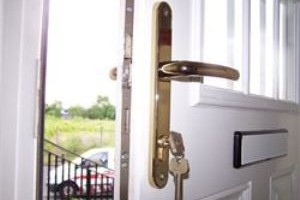
A upvc door that is damaged could be costly to repair. You can repair some of the issues yourself, but it's worth contacting an expert uPVC specialist for advice and cost estimates.
Repairs are less expensive than replacements, and the cost of repair will depend on the severity of the damage. The main elements include:
Cracks
It is essential to fix cracks as soon as you can. This will help prevent further damage to the door, and will save you money in the end. It's also a good idea to work with a upvc repair service that has experience in dealing with these types of repairs. They'll be able to pinpoint the issue quickly and repair it.
Before beginning any upvc door repair technician will conduct a thorough assessment and examination of the door's surface. This helps them identify the extent of the damage and determine what type of upvc door repair is required. They then clean the damaged area, removing any dirt or debris which might hinder adhesion. They will then sand the area to create an even, smooth surface for repair.
After sanding the damaged surface the specialist in repairing upvc will apply a layer of filler to the affected area. This is usually done with bondo or wood putty and bondo, which are similar to the products used in auto body repairs. They will then sand the surface using 600 and 240-grit sandpapers to create a smooth finish for the final coating. This will ensure that the repair compound bonds to the upvc well and won't flake or peel in the future.
UPVC doors are designed to resist fading and discoloration, however prolonged exposure to sunlight can still cause some colour change. To keep your UPVC doors looking their best you should consider using blinds or drapes during peak hours. If you do notice a change in the colour, it's best to call your local door repair company for advice. They will be able to advise you on what to do in your particular situation.
Another issue that is common to Upvc doors is that they can be misaligned over time, creating problems with locking and opening. This is typically caused by wear and wear on the multipoint locking mechanism, or even due to humidity inside the home. This is a simple fix for a locksmith, who will have a replacement gearbox in their van and will be able to fit it immediately.
Gearbox damaged
If you are unable to lock your uPVC door, it might be due to the gearbox in the multipoint locking system is been damaged. This is a frequent issue and usually occurs after prolonged use. However, it isn't something that you can fix by yourself It requires the right tools and knowledge. It is best to contact an expert to solve the problem for you. You can find a local tradesperson in many places, including online listings and word-of mouth. Once you find a reliable joiner, check their references and qualifications, and also insurance coverage. Request estimates and compare them to ensure you are getting the best deal for your repair.
The first step in repairing damaged uPVC door is to remove the lock mechanism from the door. You can use a screwdriver remove the lock mechanism, but take care to not harm the door frame or frame. You can replace the lock once it is removed. But before doing this, you should identify the manufacturer of your uPVC door to ensure that the lock you choose to replace is compatible with the door.
The joiner might have to remove the door based on the extent of the damage. This could be costly and difficult. However, repairing double glazed windows is an essential step in the repair process, as it will ensure that your door is safe and secure. This is particularly important in the event that your uPVC door has been subject to an accident or flooded.
Over time, a UPVC will begin to shrink. This leads to the door becoming disaligned. It is sometimes difficult to lock the door as the rollers or hooks will not fit inside the housings of the locks. This problem can be solved by making minor adjustments to your door alignment.
Keep your door in good shape. This will improve the look of your home as well as reduce the risk for break-ins. It can also save you money on heating bills because you'll be able keep the door open even when it's warm outside.
Door that is not aligned
If your uPVC door isn't closing properly, it could be caused by an alignment issue. This can happen when the hinges move out or in and can cause an air draught. This will not only decrease energy efficiency, but also increase the cost of energy. The easiest solution is to re-align the door. This can be done quickly, but it requires correct know-how. Ideally, it is best to do this before winter begins as cold temperatures will not only add to your expenses but also be uncomfortable to live with.
The easiest way to check whether your door isn't aligned properly is to open the door a bit and see if the gap between the frame and sash is equal all the way up and down. A door that is not aligned correctly can result in many issues, including being difficult to open or close. If you find that the gap is different, it could be because the uPVC door is damaged or warped and needs replacement.
To align your door, you will need an Allen wrench along with a screwdriver, masking tape and a screwdriver. It is best to use a screwdriver instead than a power drill for this job as this will help you avoid stripping screws. Remove the protective cap and turn it clockwise, beginning with just 1 or 2 full rotations at the beginning. After each adjustment, check the door to determine if it is shut and secured securely.
It's a quick and easy fix, but ensure that you do it right the first time. It could be necessary to replace the whole door if it isn't.
A professional can make sure that your uPVC door is properly aligned and that all the parts are in the correct position. They can also help you decide whether your door is worth repairing, or should you replace it. In addition, they can give you a cost estimate for the work, which will let you know how much it will cost.
When hiring a professional for this type of repair, it is essential to choose a company with extensive experience in the field. You can learn more about the experience of a business through their website social media profiles, as well as independent reviews. In addition it is advisable to ask to see references from former customers.
Butt hinges
The hinges that you have on your uPVC door are quite sturdy bits of kit however, they can take a beating over time. They can end up becoming loose, which will obviously impact the smooth operation of your door. This is among the more common problems that homeowners face with their doors, but it's also pretty easy to fix.
There are many different hinges that are used on uPVC doors however the most popular are Butt and Flag Hinges. These hinges are located on the top and bottom of your door and allow it to open and close. You can replace them if they are damaged, but often the problem is that they are not properly adjusted.
The gap between the door and frame is not uniform across the entire length of the door. It opens and closes unevenly. A spirit level is a simple method to test this. Place the level on the edge of the door where it meets its frame, and then look for gaps. If there's a gap, this will suggest that the hinges aren't correctly adjusted.
There are typically two screws to adjust the butt-hinged doors. The top screw is used for height adjustment, and the bottom screw is for lateral movement. (This might be referred to as compression). You can adjust them by using an Allen Key, but remember that it can take a few turns before the door is in the proper position. The adjustable screw for the lateral is usually hidden behind the cap on the top of the hinge, and you'll need to remove it to access it.
Once the glue is dry, you can paint the hinges to look as new. This will restore the integrity of your uPVC and give it a fresh appearance that is fresh and modern. It is also recommended to apply silicone around the edges of your hinges in order to prevent water from entering if you do happen to experience any damp inside your home.